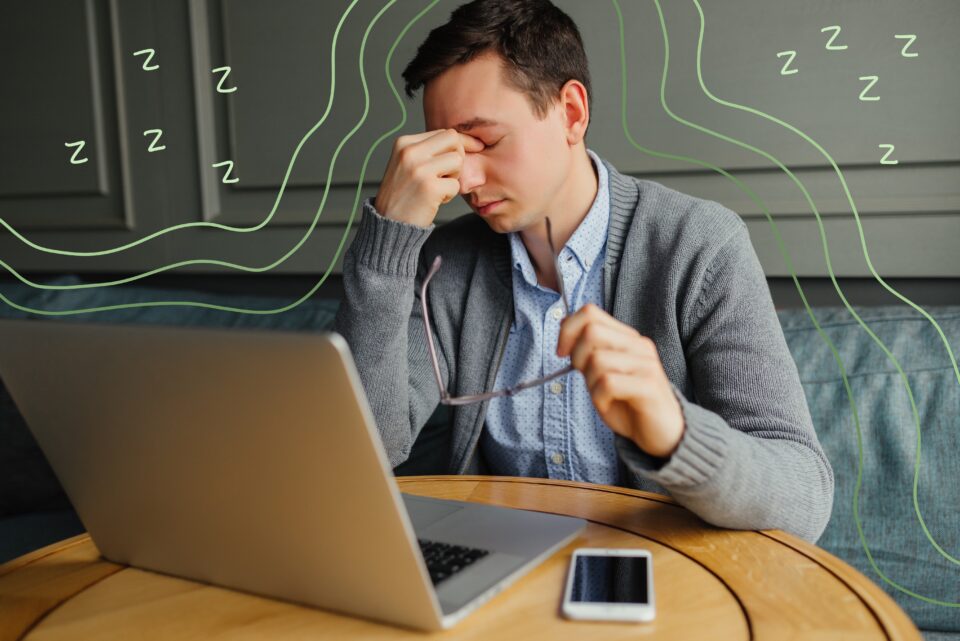
Summer is often considered one of the happiest times of the year. At first glance, it is associated only with pleasant things such as long days, holidays, sun, swimming, freedom and frequent meetings with friends. That is why it may be surprising that for some people this period is, on the contrary, psychologically very challenging. Instead of joy, they experience sadness, anxiety, irritation or severe exhaustion. The feeling that we should feel good then only increases the pressure and inner tension.
It's not uncommon and you're certainly not alone. For some people, these feelings occur regularly and may be related to seasonal affective disorderwhich, in addition to the better-known winter version, also has its lesser-known summer version. What does it mean and how to recognize it?
What is SAD
SAD, or Seasonal Affective Disorder, is defined by International Classification of Diseases a form of recurrent depressive disorder. This means that depression occurs at certain times of the year and can last for several weeks to months. Most often it is the winter type, but some people find that symptoms worsen in the summer.
The symptoms are similar to those of common depression, the difference lies mainly in their timing. Seasonal depression usually lasts four to five months and is more likely to affect people who also suffer from other mental health problems, such as anxiety disorders, eating disorders, bipolar disorder or schizophrenia.

Why summer can be challenging
While the winter form of SAD is associated with lack of daylight, low vitamin D levels and a decrease in serotonin, the causes of the summer variant are not yet fully understood. Experts believe that overheating, dehydration, disturbed sleep patterns due to longer days or even an overproduction of melatonin, which regulates sleep and wakefulness, may be the reason.
General psychological overload can also play a big role. Summer is a time when we are often expected to be active, cheerful and constantly around people. If we don't feel this way, we may feel guilty or isolated. All of this can exacerbate inner discomfort.
Symptoms of summer seasonal depression
According to National Institute of Mental Health the symptoms of summer SAD may be as follows:
- increased anxiety or tension
- irritability or aggressive behaviour
- difficulty sleeping, more often insomnia
- Disgust
- loss of interest in normal activities
- frustration, sadness, pessimism
- feelings of hopelessness or futility
However, each person experiences these symptoms differently. For some they may be mild and subtle, for others they may be pronounced and debilitating.

How we can help ourselves
It is important to remember that not every difficult feeling in the summer immediately means seasonal affective disorder. Much more often it is a natural reaction to a changed daily routine, temperature discomfort, increased stimuli, noise or, on the contrary, loneliness when others go away and the social circle is temporarily closed. Some may be overwhelmed by frequent meetings and the expectation of constant availability, others feel excluded and abandoned. Whatever the trigger, it makes sense to pay attention to these emotions. Acknowledging that you don't feel well is the first step to getting relief and possibly seeking support.
Summer can be beautiful, but not for everyone. And that's okay.
Seasonal affective disorder and other longer-term psychological problems should not be underestimated. If you repeatedly experience low mood or anxiety at certain times of the year, it is advisable to consult a professional. Psychotherapy and, in some cases, medication can help. It always depends on the individual's specific condition and needs.
Even if you don't suffer from seasonal depression, summer can be mentally challenging. That's why it's important to pay attention to your mental health and not neglect taking care of yourself.
Try it:
- keep a regular daily routine
- get enough sleep in a quiet and cooler environment
- ensure sufficient fluid intake and a balanced diet
- move regularly, even gentle movement helps the psyche
- create space for yourself and not succumb to the pressure to be constantly active
- talk about your feelings with loved ones or a professional

You are not alone in this
Summer can be beautiful, but not for everyone. And that's okay. If you don't feel well, it's not a weakness. Listen to yourself, be kind to yourself, and pay attention to what your body and mind need. Even a small step toward greater well-being can be the beginning of an important change.
On behalf of the Nevyhasni editorial team, we wish you a pleasant and, if possible, peaceful summer.