
In a digital world constantly ringing with notifications and new content, it's becoming increasingly difficult to distinguish when we're online by our own will and when we're simply succumbing to the rhythm of the algorithm. Social media isn't just a platform for entertainment. It creates an environment that activates dopamine pathways in the brain and subtly shapes our decision-making, mood, and self-perception.
Anna's Story: When the silence on the phone sounds louder than reality
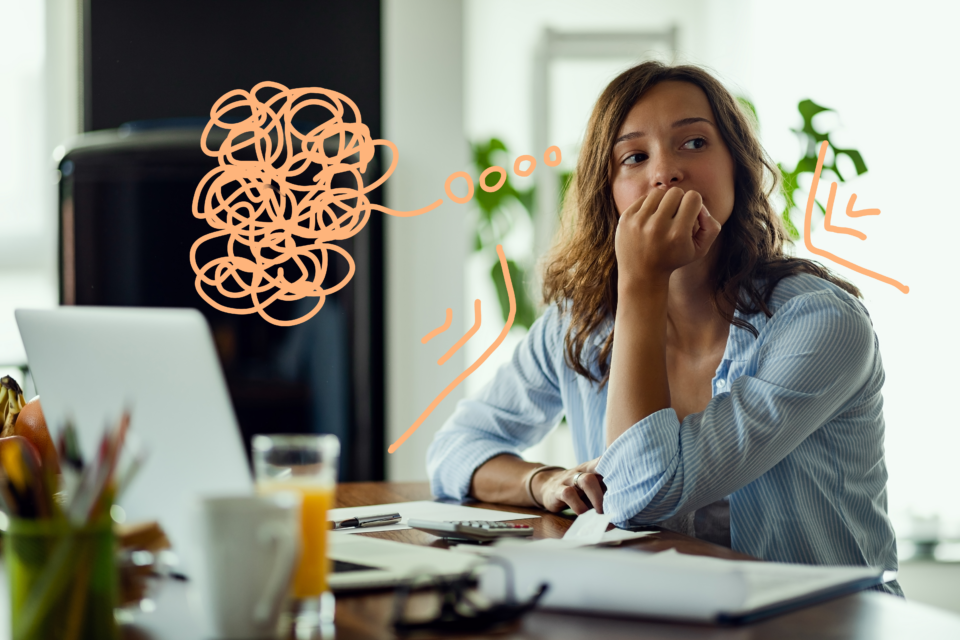
Anna was always active, social, and successful at work. She mainly looked at social media "just because." But gradually, she began to notice that every morning started with her picking up her phone before she even greeted herself in the mirror. Notifications made her happy, but only for a moment. Soon, a strange restlessness returned, as if something was missing.
"It wasn't even about whether I was enjoying it anymore," she says. "It was more that I felt I had to be present all the time. What if I missed something? What if someone noticed me, or didn't notice me?"
The more time she spent online, the worse her concentration became. Her sleep worsened. Reality seemed greyer, slower, less stimulating. And when she decided to put her phone away for a few hours, she felt an anxiety similar to what she had only experienced during very stressful moments before.
It wasn't until her conversation with the therapist that she understood it wasn't a weakness. Her brain had fallen into a well-designed dopamine trap.

Dopamine Loops: Why We Spend So Long Online, Even When We Don't Want To
Dopamine is a neurotransmitter that creates a feeling of anticipation and reward. It's not the "happiness hormone" as it's often mistakenly called, but a substance that motivates us to repeat something.
Social media platforms take advantage of this through the principle of variable reinforcement, which was described decades ago by a behavioral psychologist B. F. SkinnerThe reward comes irregularly, and that's precisely why it's so addictive. The brain tries to catch it.
The result is frequent returning to the app, the urge to check the phone, poorer concentration, loss of time perception, and emotional fluctuations associated with online validation. Psychologists remind us that these mechanisms activate similar brain circuits as gambling. Although it's not a classic addiction, the psychological impacts can be significant: anxiety, irritability, weakened self-esteem, chronic stress, or symptoms approaching depressive states.
The appeal of apps doesn't refer to our weakness, but to the way they are designed.
Why Is It So Hard to Quit?
Platform creators work with elements that keep us in a state of continuous engagement without natural pauses. These include infinite scroll, notifications creating a sense of urgency, algorithms serving the most stimulating content, social validation, and the alternation of negative and positive stimuli.
It's not a lack of willpower. It's a conflict between the part of the brain that seeks reward and the part that tries to maintain control.

Signals that should make us pay attention
While social media addiction isn't a formal diagnosis for everyone, certain signs suggest our usage is getting out of control:
- Anxiety at the thought of not having my phone
- lowered self-esteem caused by comparison
- using networks as an escape route
- weakened attention, memory, or sleep
- irritability when online time is limited
- a feeling of emptiness after putting down my cell phone
- neglecting everyday responsibilities because of time spent online
Psychotherapist Klára Šedivá says that the appeal of apps does not refer to our weakness, but to the way they are designed.
The Way Out: How to Gain Control Over Your Online World
Getting rid of dopamine loops doesn't mean deleting all your apps. It's about recreating space in your head.
For example, it helps to turn off unnecessary notifications, consciously set aside time for social media, observe your emotions before and after using your phone, practice short offline rituals, use the “delay action by a few seconds” technique, seek out healthier sources of reward, dealing with personal triggers, or taking regular short digital breaks. If technology use becomes a source of psychological stress, a therapist who specializes in this area can help.

If you are interested in this topic further, we recommend several books/resources worth reading:
Anna Lembke Dopamine Nation
Adam Alter – Irresistible
Cal Newport – Digital Minimalism
James Williams – Stand Out of Our Light
If you feel that social media is exhausting or overwhelming you, it's an important signal that your mind needs more rest and natural space. It's not a failure, but a common reaction to an environment designed to keep us constantly engaged. Every small step towards more mindful technology use – whether it's a short break, limiting notifications, or talking to a professional – can gradually restore a sense of balance. If you feel you would welcome support, you can anonymously reach out to First Aid Link 116 123. All it takes is one small decision that will bring more space and ease into your everyday life.